Begin the lesson by discussing the concept of group living in animals and its importance for survival. Engage students with questions about animals they know that live in groups.
Go to the LessonLesson Plans
Living in Groups – Defense Against Predators
Learning Objectives
- Understand how forming groups helps animals stay safe from predators by reducing the risk of attack.
- Identify examples of animals that form groups to increase their chances of survival.
- Explain how different species in multi-species herds use their unique abilities to enhance predator detection.
- Discuss the advantages of group living for animals in terms of defense against predators.
Introduction and Hook
Direct Instruction
Explain how forming groups helps animals stay safe from predators by reducing the risk of attack. Use examples from the African savanna, such as elephants and lions.
Introduce the concept of multi-species herds and how different species use their unique abilities to enhance predator detection.
Guided Exploration
Watch the video 'Why Do Animals Form Groups?' to understand the advantages of group living, such as predator evasion and social learning.
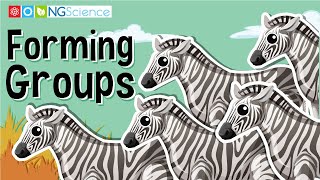
Discuss the video content and ask students to identify animals they know that live in groups and the benefits they gain from it.
Hands-On Activity
Organize a role-play activity where students simulate being different animals in a herd. Discuss how they felt safer in a group versus being alone.
Independent Practice
Assign students to research and present on an animal that lives in groups, highlighting the survival advantages of this behavior.
Check for Understanding
Use formative assessment questions to check students' understanding of how group living helps animals defend against predators.
Review and Reflection
Reflect on the lesson by discussing the key points learned and how they apply to real-world animal behavior.
Assessment and Extension
Encourage students to complete the 'Evidence and Explanations – Animal Groups' assessment to reinforce their understanding of group living benefits.
Try the Quiz
For further exploration, students can watch 'The Great Wildebeest Migration' video to see how group migration aids survival.