Begin the lesson by introducing the topic of birds, highlighting their unique characteristics such as feathers, wings, and beaks. Discuss the diversity of bird species and their adaptations to different environments.
Go to the LessonLesson Plans
Birds
Learning Objectives
- Identify and describe the common characteristics of birds, such as feathers, wings, feet, and beaks.
- Differentiate between flighted and flightless birds and explain how their physical characteristics aid in their movement.
- Explain the reproductive process of birds, including egg fertilization, development, and parental care.
- Recognize the adaptations of bird beaks and feet for different feeding behaviors and habitats.
- Discuss the diversity and intelligence of bird species, including examples of their social structures and behaviors.
Introduction and Hook
Engage students with a short video titled 'All About Birds' to provide a visual overview of bird characteristics and diversity. This video will help students understand the foundational aspects of bird biology.

Direct Instruction
Explain the common characteristics of birds, such as feathers, wings, feet, and beaks. Discuss how these features aid in their survival and adaptation to various habitats.
Differentiate between flighted and flightless birds, using examples like emus and penguins. Discuss how their physical characteristics aid in their movement.
Guided Exploration
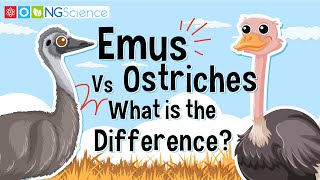
Watch the video 'Emus Vs Ostriches – What is the Difference?' to explore the similarities and differences between these two flightless birds. This video will help students understand the adaptations of flightless birds.
Discuss the reproductive process of birds, including egg fertilization, development, and parental care. Use examples of different bird species to illustrate these concepts.
Hands-On Activity
Conduct a bird beak and feet adaptation activity where students use various tools to mimic different bird beaks and discover how they are adapted for specific feeding behaviors.
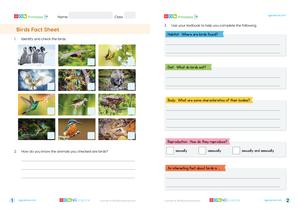
Use the 'Birds Fact Sheet' assessment to have students identify bird images and explain their choices. This activity will help assess their understanding of bird characteristics.
Independent Practice
Assign students to research a specific bird species and present their findings on its adaptations, habitat, and behaviors. Encourage creativity in their presentations.
Check for Understanding
Facilitate a class discussion to review key concepts about bird characteristics, adaptations, and diversity. Ask students to share interesting facts they learned during their research.
Review and Reflection
Have students reflect on what they learned about birds and how their adaptations help them survive in different environments. Encourage them to think about the importance of bird conservation.
Assessment and Extension
Use the 'Review – Animal Classification' assessment to test students' understanding of bird classification and characteristics. This comprehensive review will reinforce their learning.

Encourage students to take the quiz to assess their knowledge of the unit on birds and animal classification.
Try the Quiz