Read-Along with Narration: Begin the lesson by listening to the narrated content in the Learn tab. This introduction helps students explore the concepts of sexual and asexual reproduction, setting the stage for deeper understanding.
Go to the LessonLesson Plans
Reproduction
Learning Objectives
- Understand the difference between sexual and asexual reproduction.
- Describe the process of fertilization in sexual reproduction.
- Explain how genetic traits are inherited in sexually reproducing organisms.
- Identify examples of organisms that reproduce sexually and asexually.
- Recognize that asexual reproduction results in offspring genetically identical to the parent.
Introduction and Hook
Visual Aid: Use images and diagrams to illustrate the processes of sexual and asexual reproduction, highlighting key differences and examples.
Direct Instruction
Watch Videos: In the Watch tab, you'll find videos like:


Discussion: Explain the process of fertilization in sexual reproduction and how genetic traits are inherited, using examples from the videos.
Guided Exploration
Explore Examples: Identify organisms that reproduce sexually and asexually, discussing the advantages and disadvantages of each method.
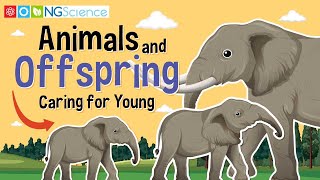
Interactive Discussion: Use the video 'Animals and Offspring – Caring for Young' to explore parental care strategies and how they relate to reproduction.
Hands-On Activity
Classify Organisms: Have students classify organisms around them as reproducing sexually or asexually, using characteristics discussed.
Printable Worksheets: In the Assess tab, download and print activities such as:


Independent Practice
Research Assignment: Have students research an organism of their choice and present how it reproduces, highlighting whether it is sexual or asexual.
Check for Understanding
Quiz: Use the Unit Quiz to assess understanding of key concepts related to reproduction.
Try the QuizReview and Reflection
Class Discussion: Reflect on the learning objectives and discuss any questions or insights students have about reproduction.
Assessment and Extension
Assessment Pack: For a more comprehensive review, download the complete assessment pack that includes answer keys for easy correction.
Get the Assessment Pack